Kitchari fasting is an
ancient Ayurvedic practice using this easy-to-digest traditional rice and bean dish
Kitchari (pronounced kitch-a-ree) is a staple comfort food of India, also known as khichari, khitchari, and kitchiri, and also sometimes referred to as kedgeree (though incorrectly, as that is an English dish). The word "kitchari' means "mixture" or "mess" as in "mess of pottage" or "mess of stew" or porridge.
The main ingredients are rice and mung beans, to which a variety of spices and other vegetables may be added. Often the mung beans are replaced with another bean. Sometimes the resultant "mess" is thick, and sometimes it is thin and soupy. And, sometimes, the word "kitchari" is used loosely to describe any "mess of pottage", such as, "I made a kitchari of millet and lentils".
The ancient practice of fasting on kitchari, or a "kitchari cleanse", utilizes the traditional mix of rice and mung beans. In Ayurveda, the ancient wisdom of India dating back 5,000 years, this mix of rice and mung beans is considered extremely easy to digest and is said to purify the digestion and cleanse the body of toxins, much like other cleansing diets.
According to Vasant Lad, in his book, The Complete Book of Ayurvedic Home Remedies, "A five-day kitchari fast, using plain kitchari with just some chopped cilantro leaves added, will cleanse the system and help to strengthen memory." See his plain recipe below.
Kitchari fasting is actually a mono-diet, which means the body receives a limited diversity of foodstuffs and therefore needs to produce a limited number of digestive enzymes. The work of the digestive system is lessened, allowing for greater healing and cleansing to occur. Just like a brown rice fast, a kitchari cleanse can be calming, soothing and warming.
Besides being a great food for fasting, kitchari is wonderful for a variety of circumstances:
- Use during the process of breaking more intense fasts, such as
water or
fruit.
- Use during intermittent
fasting to provide further cleansing during your eating periods.
- Use when recuperating from an illness or any great physical stress, like childbirth, surgery,
or extensive travel.
- It is an excellent "antidote" to dietary excesses, such as we're prone to do around the
holidays or major family get-togethers.
- It can be helpful and calming when we're under emotional stress.
Kitchari ingredients
Most Ayurvedic-derived kitchari recipes call for basmati rice in particular. This may be because basmati is a rice that is considered appropriate for all three constitutional types; Vata, Pitta, and Kapha. If you've never tried basmati rice before, you're in for a treat! It is called an aromatic rice, and, oh my, when you're cooking it, it smells wonderful!
I've found that basmati bought from the bulk bins has lost its special aroma. To enjoy all that basmati rice has to offer, you may need to buy pre-packaged bags, as I now do.
Rarely is brown or whole rice specifically called for, but obviously white rice, with its recent appearance in human history, could not have been used thousands of years ago. Because white rice is devoid of nutritional content, no one should be ingesting it, especially on a fast. If you decide to expand your kitchari-horizons and search for other recipes, assume it is always "whole" rice being called for.
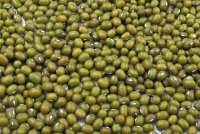
While the traditional bean used is mung, either whole or split (green or yellow), another bean appropriate for all three doshas is red lentils. So if you have trouble finding mung beans, try red lentils.
Because of this diversity of ingredients allowed, there are an untold number of recipes for kitchari. Probably every cook has his or her own favorite version. A good analogy might be "chili" in America with its countless recipes and variations. For fasting and cleansing, we would use the most simple, plain versions. The "dressed up" versions are good for any other time.
Kitchari Recipes
Vasant Lad's recipe for plain kitchari, which he says is suitable for fasts up to five days. For those of us who can't stand cilantro, parsley is just fine.
Lad's Simple Kitchari Recipe
1 cup basmati rice
1 cup yellow split mung dal
1
small handful cilantro leaves, chopped
6 cups water
Wash the rice and mung dal twice, using plenty of water. If you have time, let the mung dal soak for a few hours before cooking, to help with digestibility.
Add rice, dal, and cilantro to the water. Bring to a boil, and boil 5 minutes uncovered, stirring occasionally.
Turn down heat to low, and cover, leaving the lid slightly ajar. Cook until tender, about 25 to 30 minutes.
This is my recipe for plain kitchari. Since research has shown the soaking of grains to increase their nutrition and ease of digestibility, my recipe calls for soaking the rice as well as the beans.
I also add butter or coconut oil, considered healthy saturated fats, for the vitamins and health benefits.
Plain Kitchari for fasting
1/4 cup basmati rice
1/4 cup mung
beans
1 cup water
1 tablespoon yogurt or kefir
pinch of sea salt
1 tablespoon butter
or ghee, or virgin coconut oil
Place rice and beans in a pot with water and yogurt. Allow to soak overnight or up to 24 hours.
Bring to a boil, then cover and turn heat to lowest setting for 35-40 minutes. Add salt, fluff with fork, and serve with butter, ghee, or coconut oil.
This recipe is from HealthWorldOnline as presented by Siri-Ved Kaur Khalsa, and based on the teachings of Yogi Bhajan. I offer this recipe both because of its mildness and because of the many optional vegetables listed. Also, she says you can go thick as stew or thin as soup, whatever your preference at the moment. As soup, she adds extra tamari or Bragg's Liquid Aminos in addition to the added water. If this recipe proves too mild for your taste, she suggests adding 1/2 to 1 tsp of crushed red chilis and rounded measurements for the other spices.
Mungbeans and Rice with Veggies
4 quarts water
1 cup mung beans, sorted and rinsed
well
2 medium onions, chopped
2" piece gingerroot, peeled and finely chopped
2 teaspoons turmeric
1/2 teaspoon
ground black pepper
1/2 teaspoon ground cardamom
3/4 teaspoon cumin seeds
2 teaspoons curry powder or garam masala
(optional)
2 tablespoons minced garlic
6 cups chopped assorted vegetables (celery, chard, broccoli,
carrots,
cauliflower, mustard greens... whatever you like)
1 1/4 cups basmati rice, sorted and rinsed well
2 tablespoons butter or ghee
(optional)
salt, tamari soy sauce or Bragg Liquid Aminos to taste
Bring water to boil in a 6-quart soup pot. Add mung beans and cook at a light boil, uncovered. Add onions and ginger
as they are prepped. Add spices.
When beans begin to split open add garlic, vegetables and rice. Cook 15-20 minutes over medium-high flame, stirring occasionally, and more as it thickens. Add butter or ghee and season with salt, tamari or Braggs.
Remove from heat and let it sit another 15 minutes (it will thicken up a little more).
The following recipe comes from Kripalu Center for Holistic Health, as published in 1980 in their book entitled Kripalu Kitchen, A Natural Foods Cookbook and Nutritional Guide. They say their spiritual teacher, Yogi Amrit Desai, chose an intense period of seclusion, during which his wife brought him his daily meal. This recipe is said to be one of her special creations during that time and so, was dubbed "Seclusion Special".
Kripalu's Seclusion Special
1/2 tablespoon oil
1/4 teaspoon mustard seeds
1/2 teaspoon turmeric
1 cup brown rice
(dry)
1 cup mung beans (dry)
5 1/2 cups water
1 1/2 teaspoons cumin
1 teaspoon curry powder
1/4 teaspoon pepper
1/4 teaspoon
ginger powder
1 teaspoon salt
1/2 cup finely chopped cabbage
1/4 cup chopped green pepper
1/2 cup finely shredded
carrots
1/4 cup raw peanuts (optional)
Marinade:
1/2 cup oil
1/3 cup lemon juice
1/2 tablespoon salt
1/2 tablespoon tamari
1 tablespoon honey
1 teaspoon basil
1/4 teaspoon
oregano
In a saucepan heat the oil, and add the mustard seeds. When the seeds begin to pop, add turmeric and stir the mixture. Fold in the rice and beans, coating them with the oil-spice mixture. Add water and the remainder of spices, mixing them thoroughly and letting them simmer until the grains and beans are well cooked (approximately 40 minutes).
Combine the cabbage, peppers and carrots with the cooked rice and beans and set aside. Prepare the marinade and pour it over the grain-bean-veggie mixture, blending it in thoroughly.
This is a hearty dish which can go either hot or cold, depending upon your preferences and the time of year.
More great ideas for kitchari
If you become a fan of kitchari and find and develop your personally-perfect recipe, you will also discover there are many other ways to eat it. You can roll it up in a tortilla or put it in a pita, adding fresh chopped onion and lettuce. With the right consistency, you can make patties with it and fry til crispy. If you're not vegan, grated cheese on top is wonderful.
Avoid using the microwave to reheat the leftovers, and see here for alternatives for heating kitchari. You can freshen leftovers by adding a few new ingredients, like fresh vegetables and then bake, covered; the flavors will blend nicely.
Kitchari is a wonderful addition to anyone's healthy recipe collection, whether you're planning to fast with it or serve it to company, whether you like it soupy or thick. Be creative and find your own great version.
Return to top
Return to Brown Rice Fasting page
Return to Cleansing Diet page
Return to Easy Healthy Recipes page
You may also like
Dry Skin Brushing shares the many health benefits derived from this quick and easy practice.
How long should you fast? Discover what length of time is best for you and how much preparation is required.
Health Conditions Improved by Fasting See the compiled list of ailments that are known to respond favorably to fasting.
The real benefit of Fasting for Weight Loss is the clarity brought forth about our mental and emotional patterns.
Fruit Fast Details how to do a 1-3 day fast with apples.

Recent Posts


-
Valter Longo and the Longevity Diet
Valter Longo's Longevity Diet, which is a fasting mimicking diet, is showing great promise as a prescribed therapy. If you haven't heard of Valter Longo, check out his newly launched website to follow… -
Fasting Overview for Beginners
Information on fasting especially geared toward the beginner. Important guidelines on fasting including the contraindications and how to do a simple one-day fast. -
Meat vs. Vegan | AllAboutFasting
Confusion seems to arise as to whether this site promotes meat-eating or veganism. Let's set the record straight and talk about ideal diets. Ideal for whom? Each of us individually.